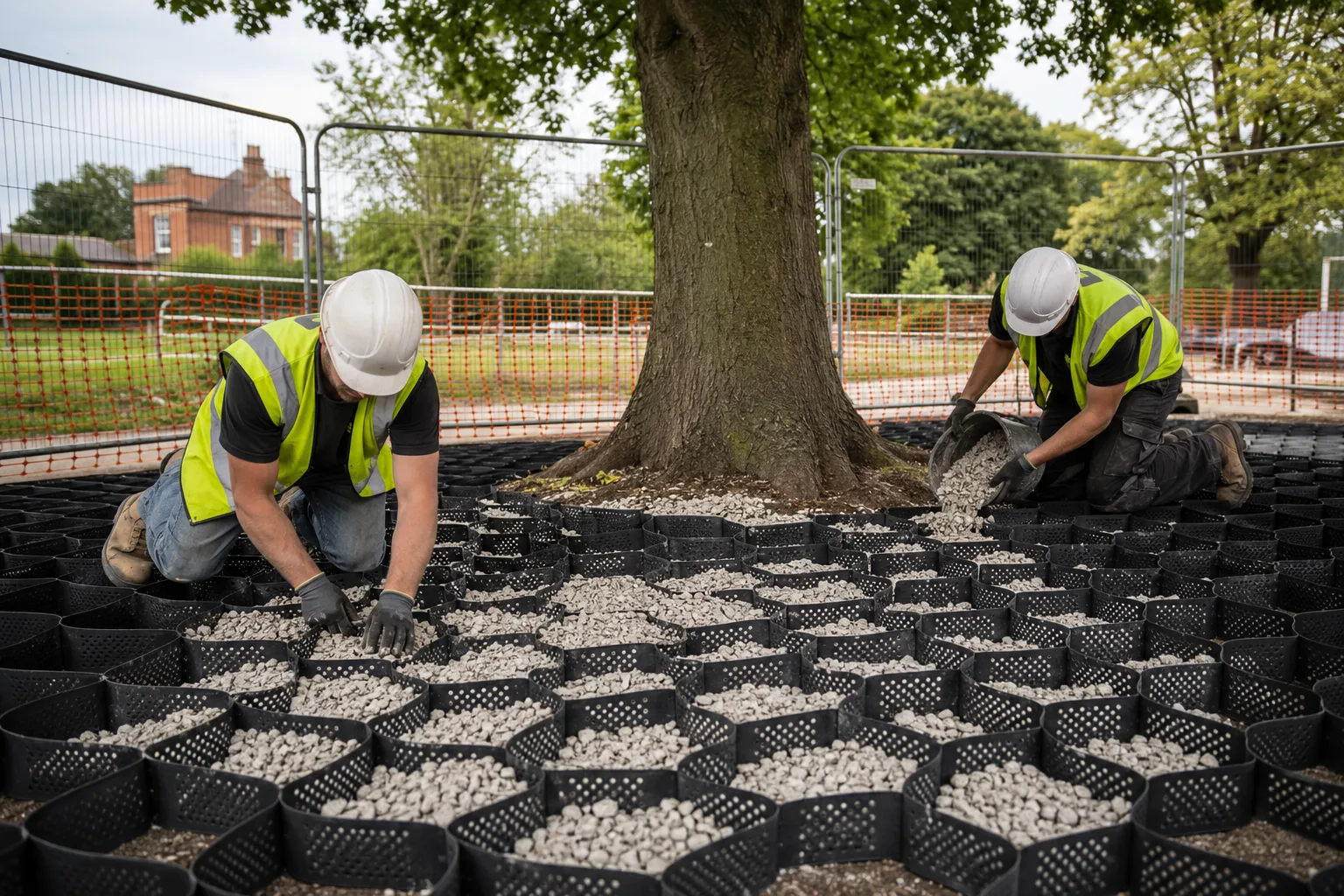
- Start with the arboricultural report and root protection area plan.
- Build above existing ground and minimise excavation.
- Keep the build-up permeable to air and water.
- Coordinate traffic, levels, edges and construction controls.
Why no-dig construction is different
Conventional excavation and compaction can damage roots and alter the soil environment within a root protection area. A no-dig approach aims to place the new construction above the existing ground with as little disturbance as possible.
The route and build-up must respond to the arboricultural constraints. CORE TRP is a coordinated branded system; one component on its own does not make a proposal acceptable.
The role of each layer
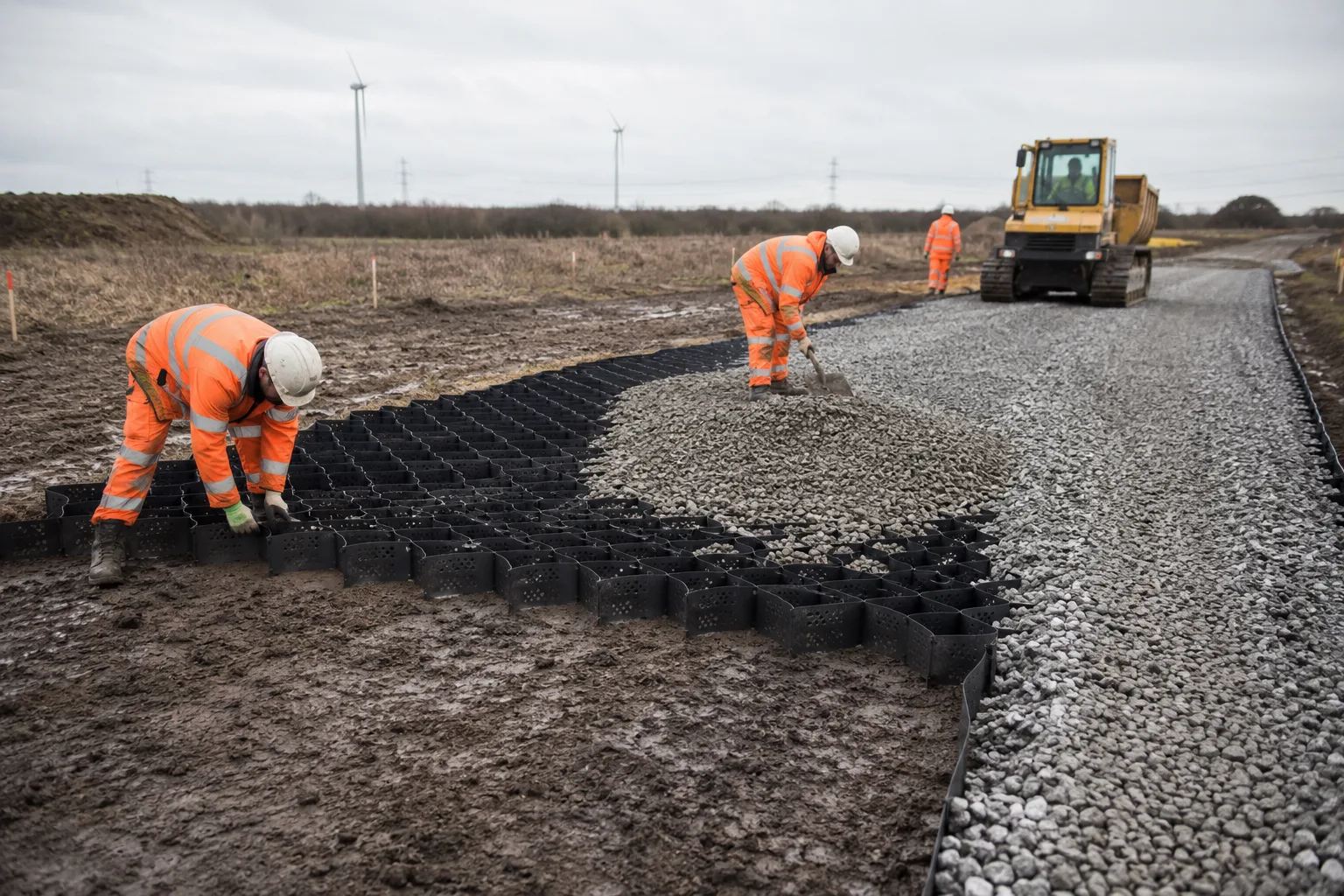
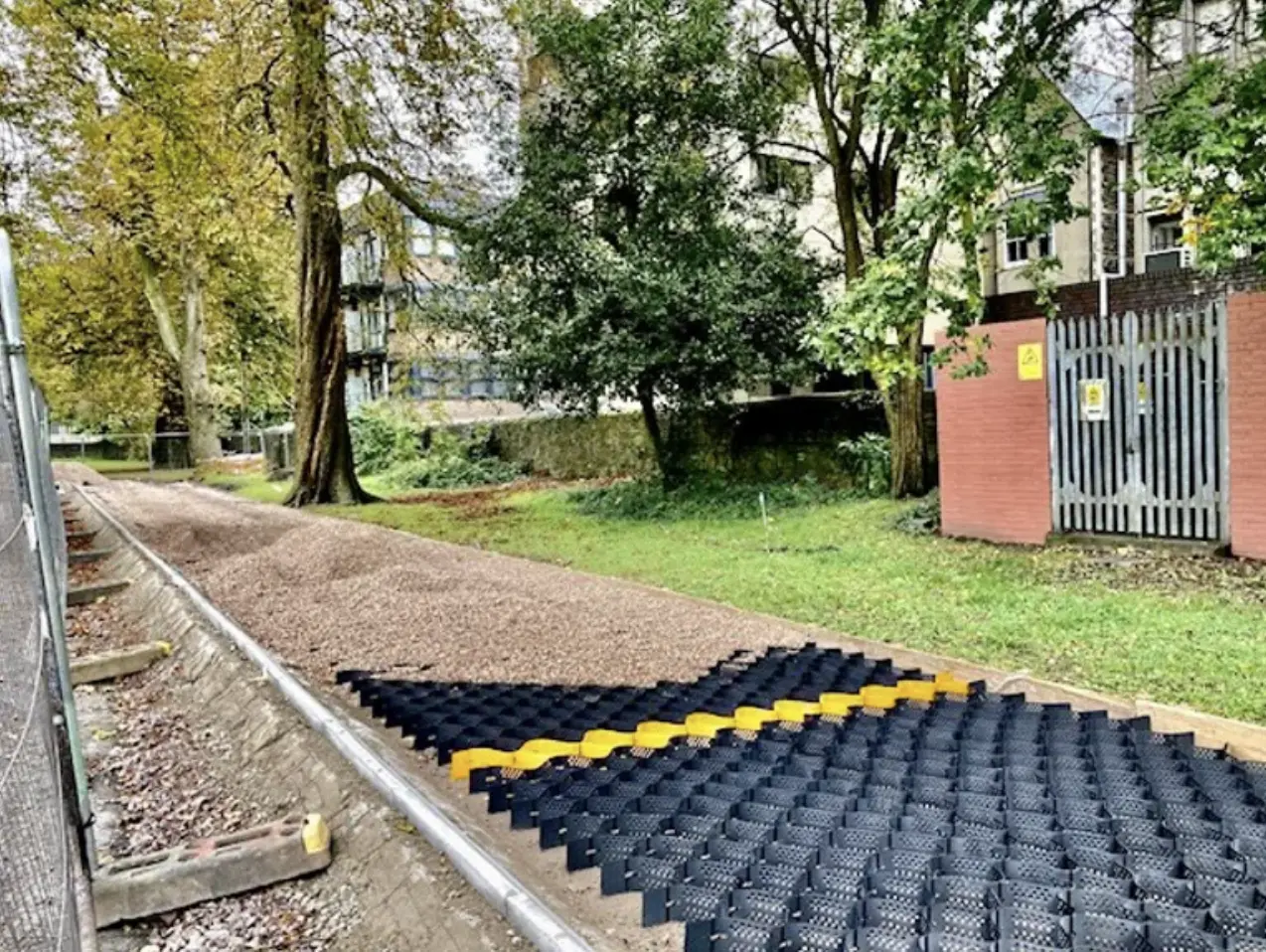
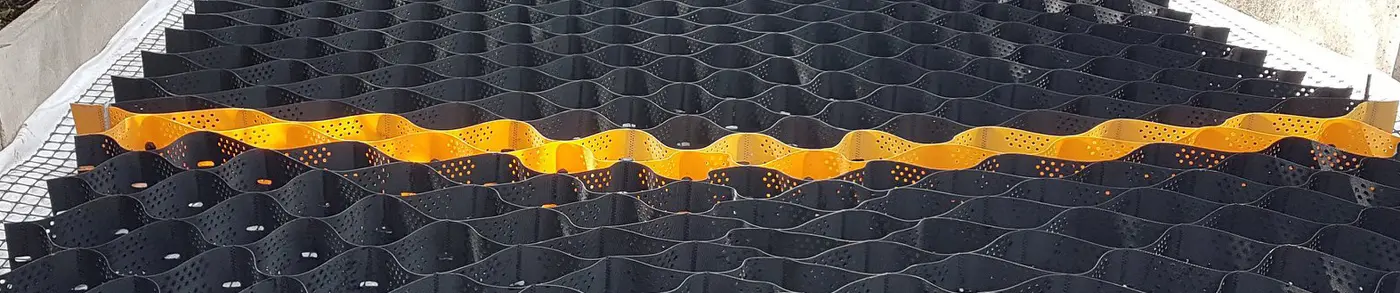
CORE TRP 10 Membrane forms the specified interface above the existing ground. CORE TRP Panels confine clean angular infill and distribute load through the cellular layer. A permeable finish completes the usable surface.
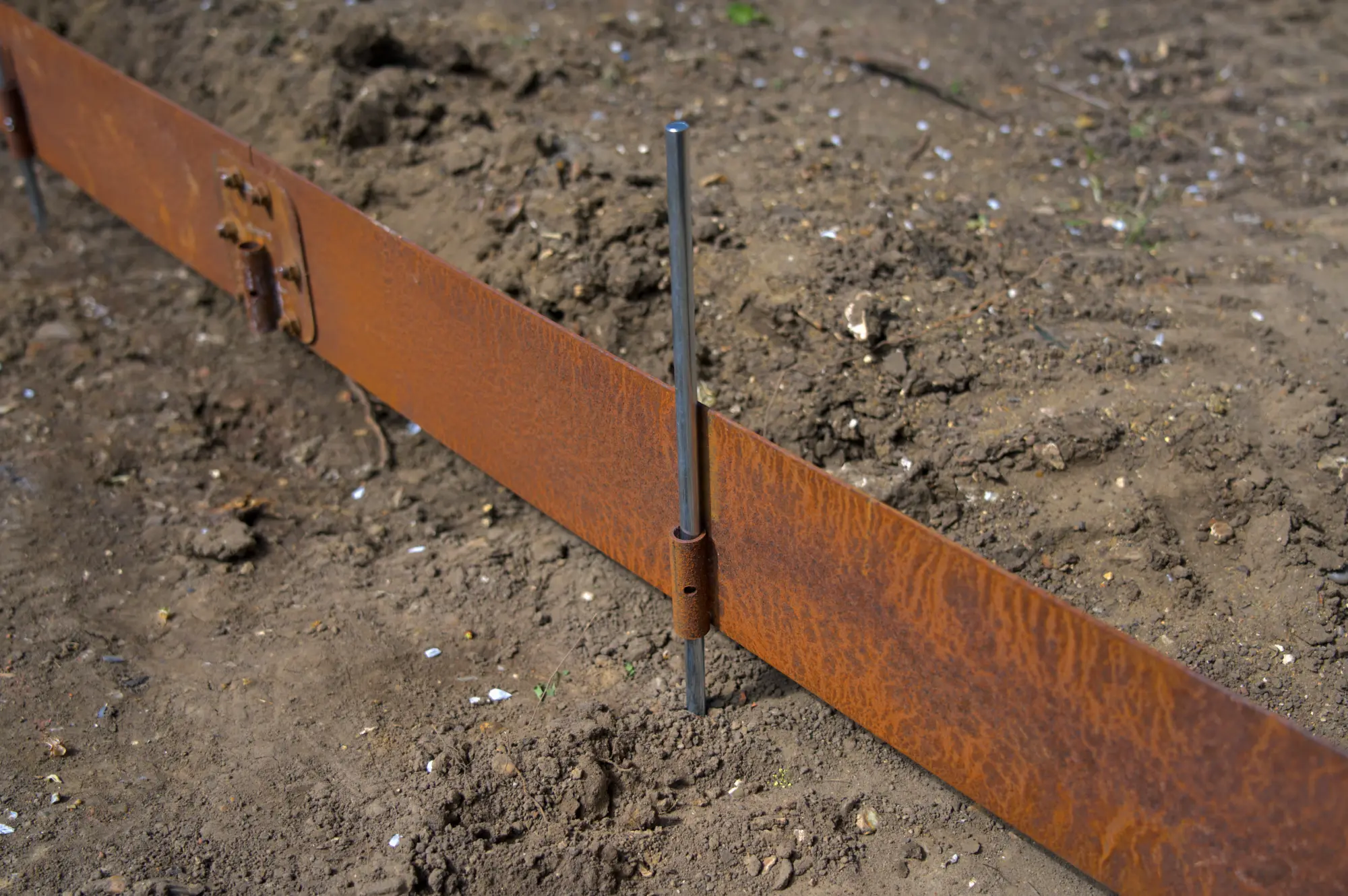
Low-disturbance edging and transitions are important because deep conventional kerbs can undermine the no-dig principle.
Traffic and finished levels
The proposed use affects panel selection, infill and surface choice. Pedestrian paths, domestic drives, public access and parking all impose different loading and operational requirements.
Because the construction sits above existing ground, thresholds, tie-ins, crossfalls and drainage need early coordination. Raising levels without resolving the interfaces can simply move the problem elsewhere.
Information needed for review
Send the arboricultural and project information together. That allows the technical team to see the protection constraints and the intended surface as one problem.
- Arboricultural report and root protection area plan
- Existing and proposed levels
- Vehicle type, frequency and turning areas
- Required surface and accessibility constraints
- Drainage, edges, thresholds and service interfaces
Construction controls
The approved route should be marked out before work starts. Existing ground needs protection, materials should be placed without trafficking unprotected soil, and the installation should follow the current method agreed for the project.
Evidence used for this guide
Questions about tree root protection
Can you excavate inside a root protection area?
Any excavation or disturbance should follow the arboricultural strategy and approvals for the project. A no-dig route is intended to minimise excavation, not to provide blanket permission for it.
Does a no-dig system need planning approval?
The approval route depends on the project and local requirements. The arboriculturist and relevant approving authority should review the proposal where required.
Can the surface be impermeable?
No-dig root protection systems are normally coordinated around a permeable build-up. The final surface, joints, edges and drainage need to support the agreed arboricultural strategy.