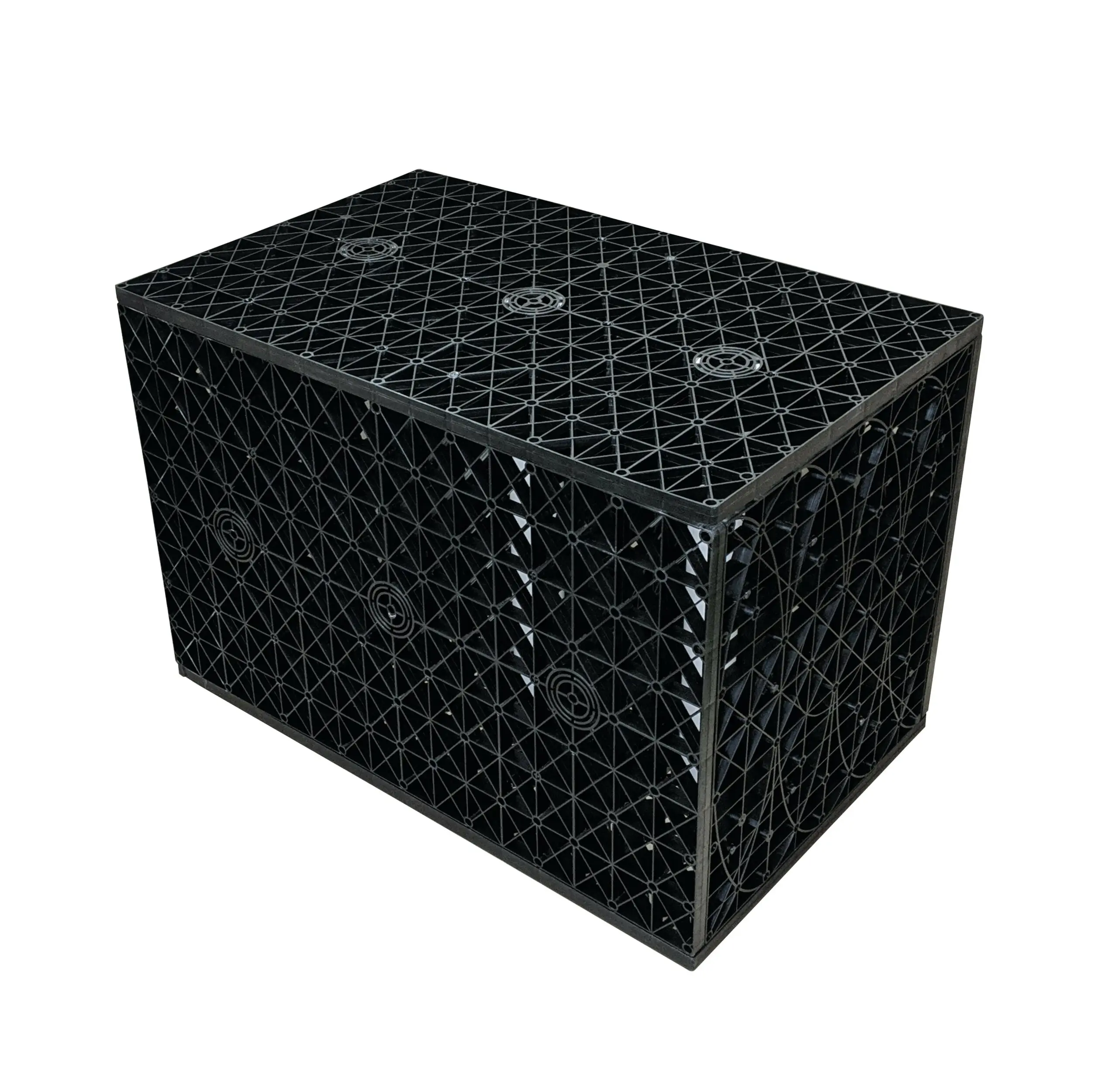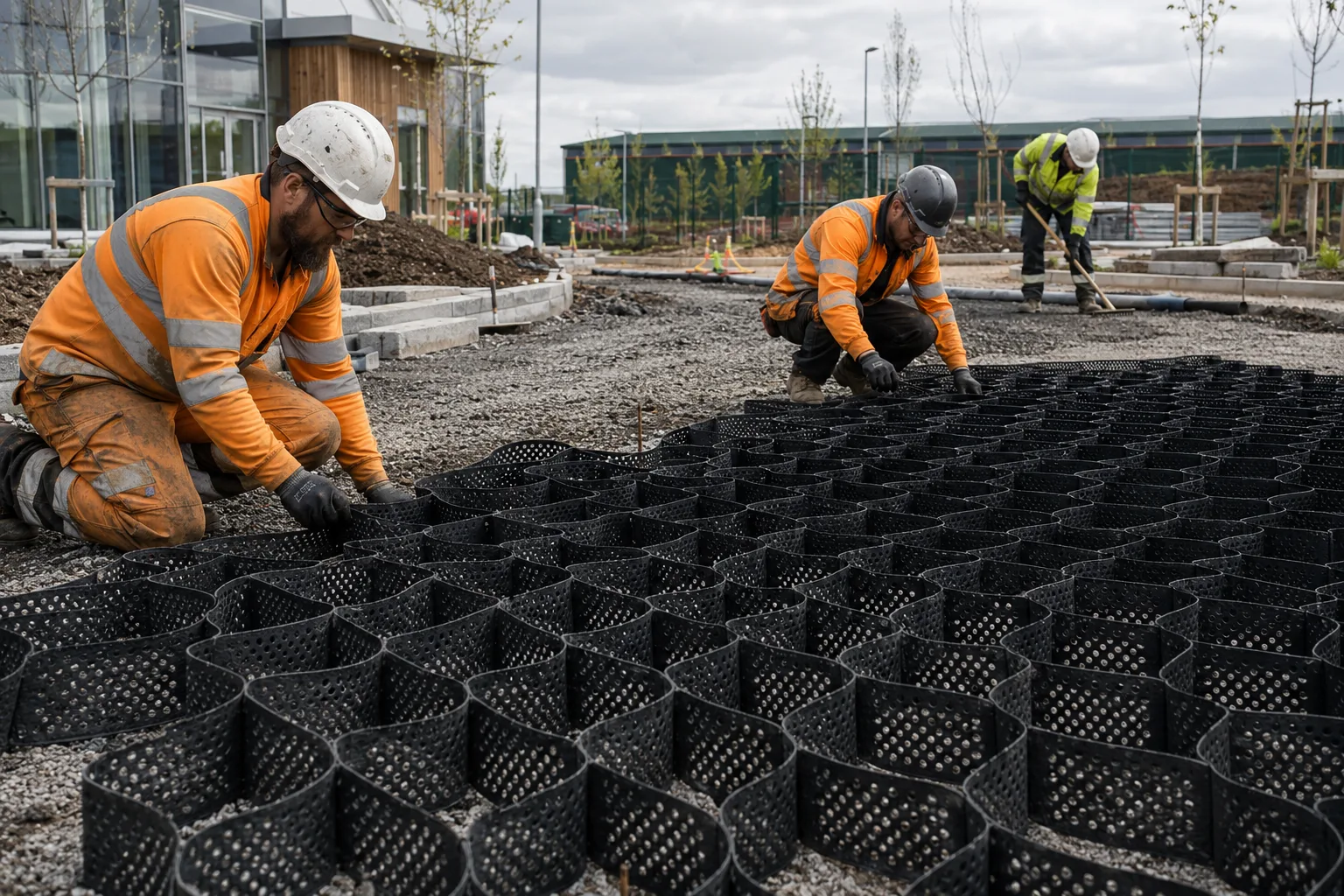
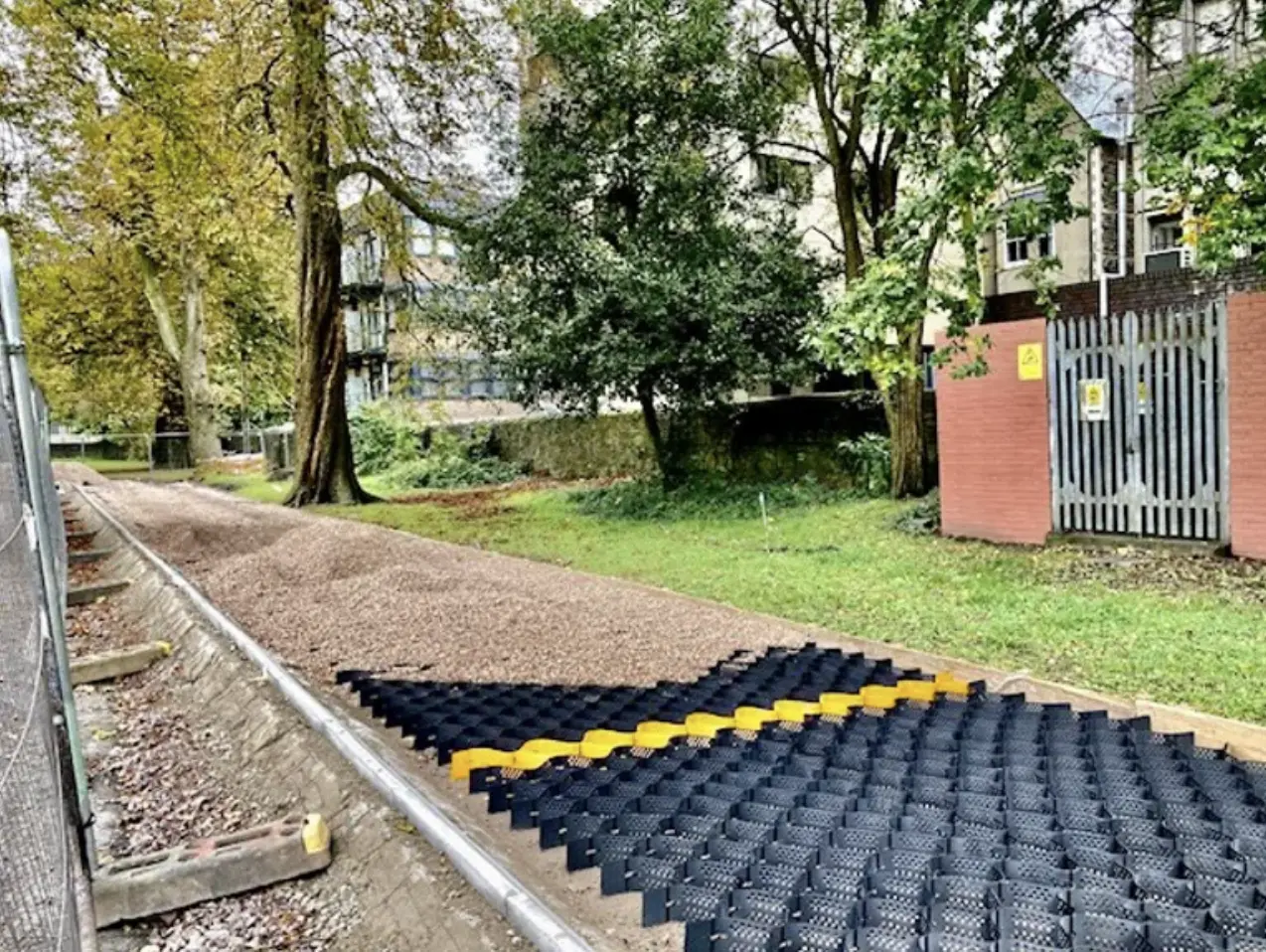
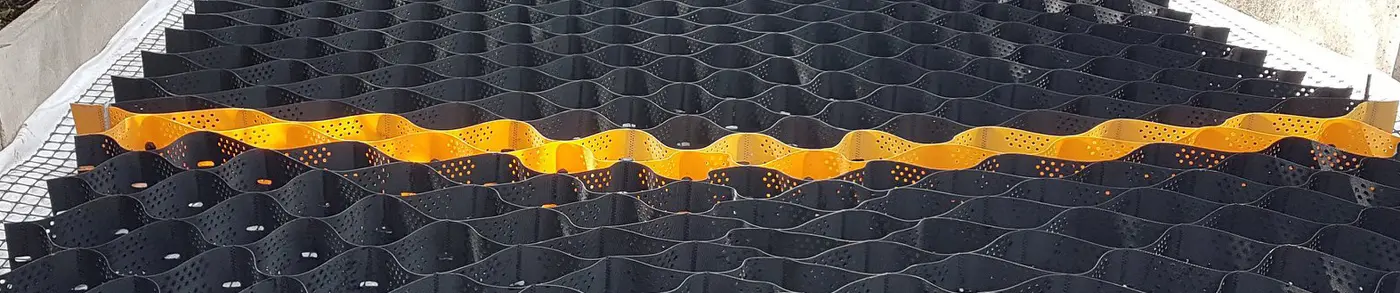

- The surface product is one part of the complete build-up.
- Traffic and accessibility influence the finish.
- Permeable does not automatically mean infiltration.
- Edges, entrances and maintenance affect long-term performance.
Define how the area will be used
Start with the expected vehicles, frequency, turning, braking and any exceptional loads. Overflow parking, staff parking and a regularly trafficked commercial entrance do not place the same demand on a surface.
Accessible bays and pedestrian routes need a firm, stable and predictable finish. The chosen gravel or grass system, infill and maintenance approach should suit those requirements.
Design the ground and sub-base
The formation and sub-base carry the traffic. Geotextile, geogrid or geocell may be used where separation, reinforcement or confinement is required, but these layers must be selected around the ground and loading.
Aggregate grading and compaction need to deliver both structural performance and the intended movement of water through the construction.
Decide where the water goes
A permeable surface allows water to enter the build-up. It does not decide whether that water infiltrates into the ground, is stored temporarily or is conveyed to a controlled outlet.
Infiltration evidence, groundwater, levels, storage and discharge requirements need to be coordinated as part of the drainage strategy.
Resolve the edges and interfaces
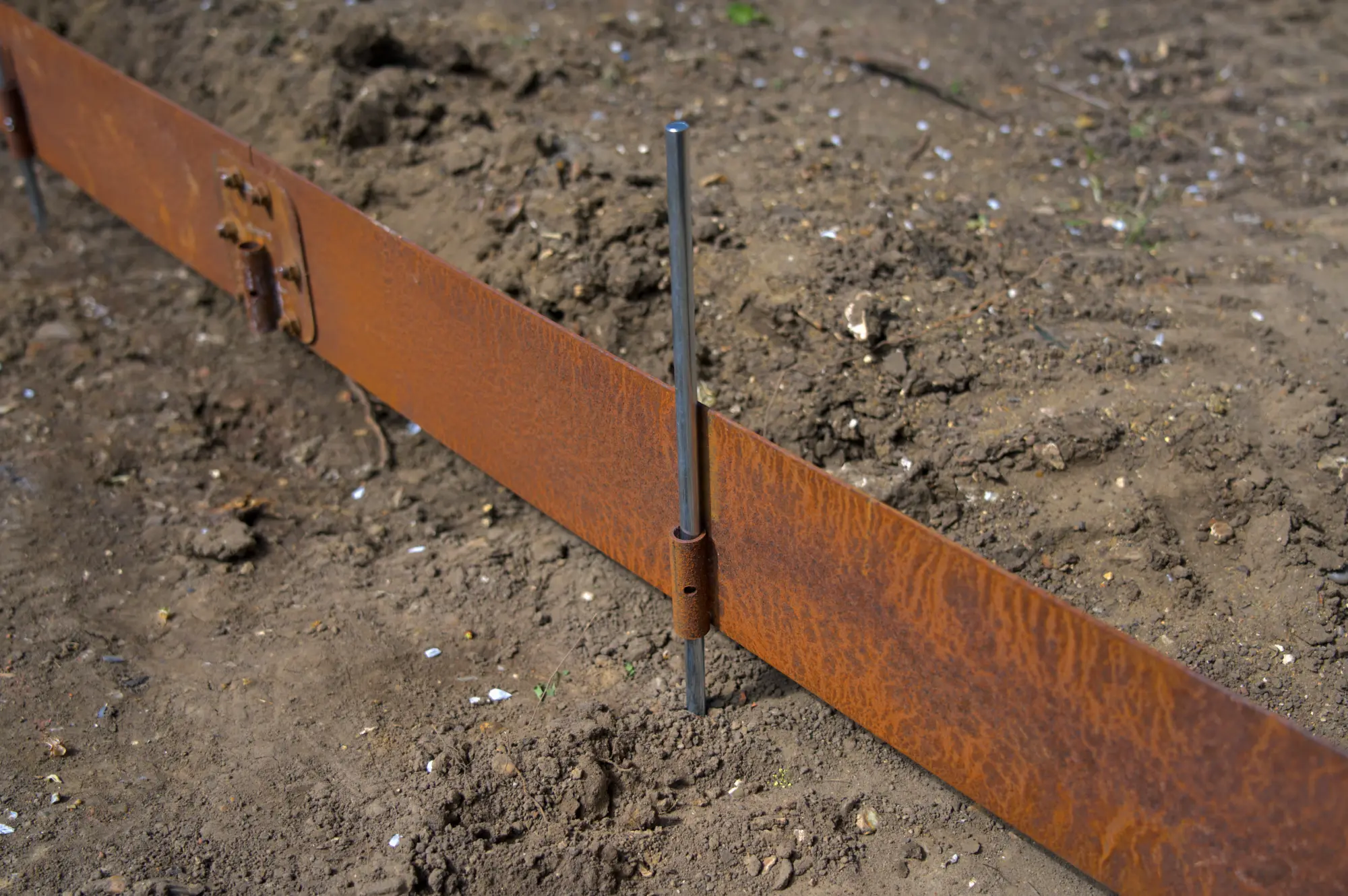
Surface grids need effective restraint. Entrances, kerbs, transitions, service covers, tree pits and changes in material should be detailed so units remain supported and the finish does not migrate.
Poor interfaces often fail before the main field of the surface, so they deserve the same attention as the product choice.
Plan for maintenance
Gravel levels, grass establishment, sweeping, silt and local repairs all affect the appearance and permeability of the finished area. Agree who will maintain the surface and what standard is expected.
- Traffic, bay layout and accessible routes
- Formation, sub-base and reinforcement
- Infiltration, storage, discharge and overflow
- Surface product, infill and edge restraint
- Inspection and maintenance responsibilities
Evidence used for this guide
Questions about permeable surfaces
Is permeable paving the same as a soakaway?
No. A permeable surface lets water enter the construction. The wider design determines whether water infiltrates, is attenuated or is conveyed elsewhere.
Can gravel parking be accessible?
It can be designed to provide a firm and stable route, but grid, gravel, levels, maintenance and detailing all matter. Accessibility should be considered at the start rather than checked after installation.
Do permeable grids need edging?
Yes, effective edge restraint and well-supported interfaces help keep the surface units and infill in place under use.