
Cardiff active-travel phase
CORE case study · Sophia Gardens, Cardiff
CORE TRP through Sophia Gardens parkland
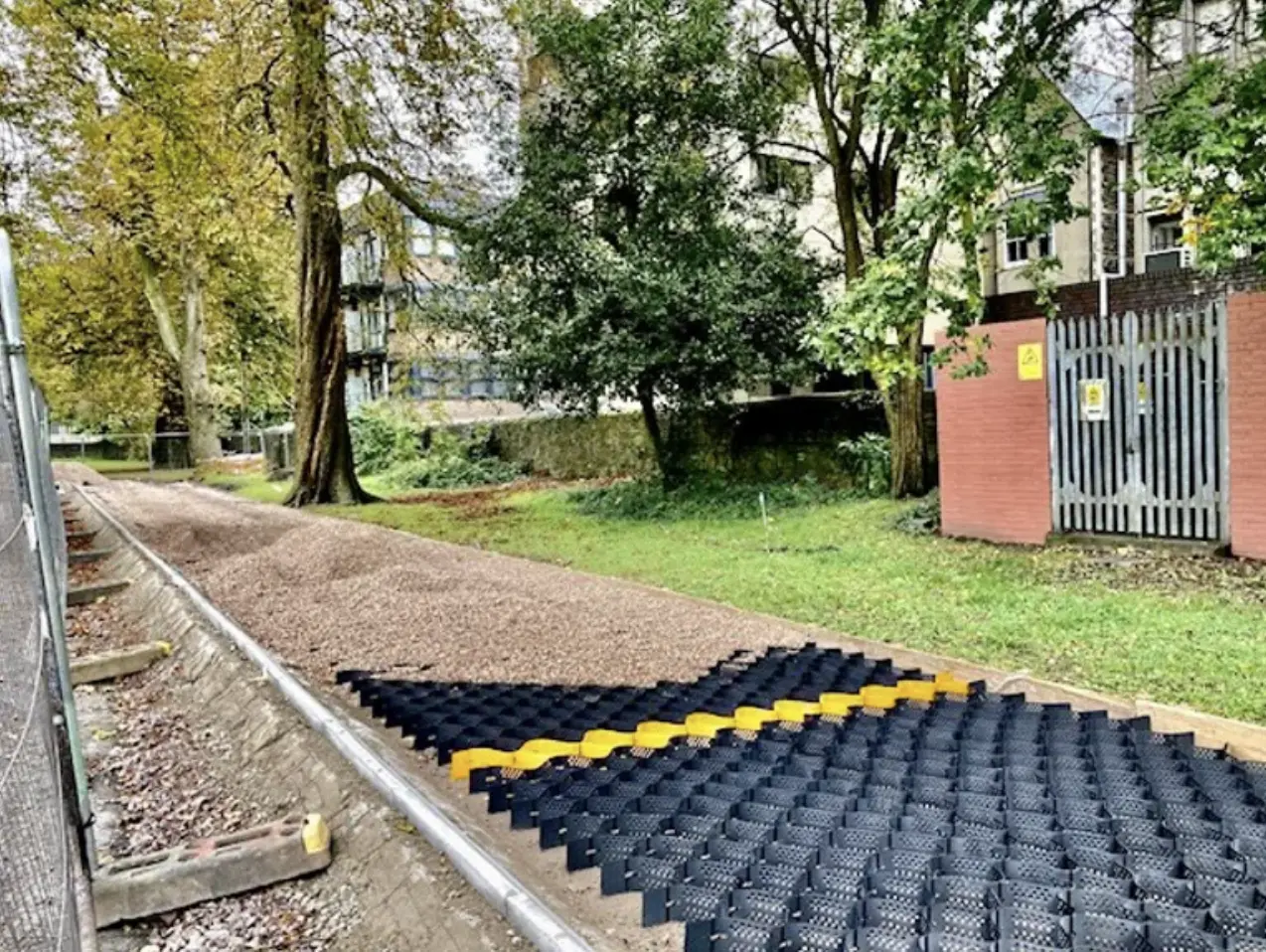
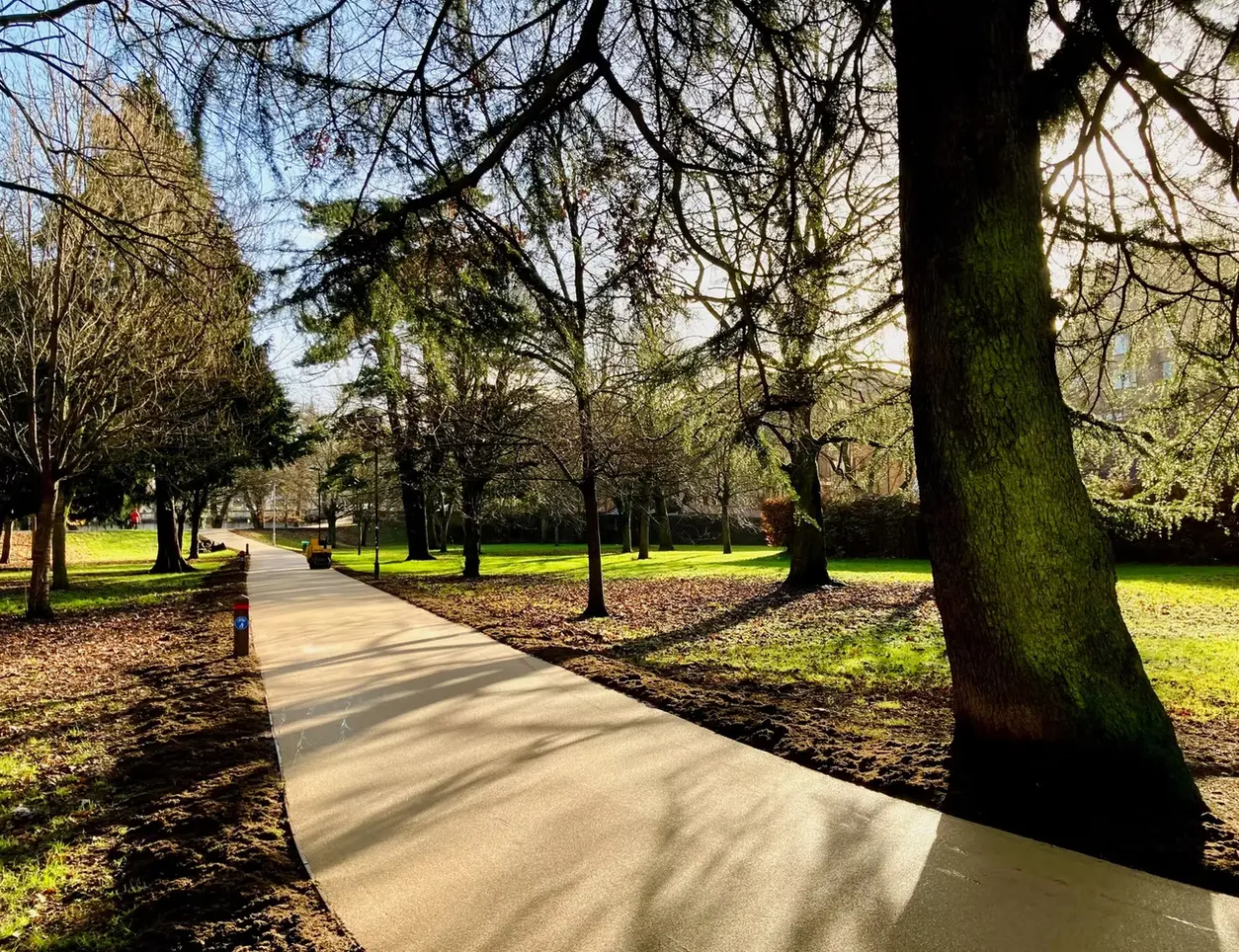
CORE TRP formed a no-dig, free-draining route for a new cyclepath and footpath through mature parkland between Bute Park and Western Avenue.
- Client
- Cardiff City Council
- Sector
- Active travel & parkland
- Location
- Sophia Gardens, Cardiff
- Completion
- Route opened in 2021
- CORE components
- CORE TRP system
Route opened
Tree-sensitive formation
Branded CORE system
A landscape shaped by its purpose.
Cardiff City Council commissioned Cycleway 4.1 from the Bute Park entrance on Castle Street towards Western Avenue through Sophia Gardens and Llandaff Fields.
Horan Construction acted as principal contractor. The alignment needed to move through mature parkland while providing a durable route for cyclists and pedestrians.
The brief
What the project had to achieve.
Create an accessible cyclepath and footpath through established parkland and between mature trees while limiting excavation, compaction and disruption to the root zones.
- 01
Tree-sensitive alignment
The route needed to weave between established trees and respond to level changes.
- 02
No-dig construction
Conventional excavation and root-zone compaction had to be limited.
- 03
Accessible movement
The completed route needed to be smooth and continuous for cyclists and pedestrians.
- 04
Natural drainage
The cellular and aggregate layers needed to remain free draining.
The CORE solution
Selected around the site—not just the surface.
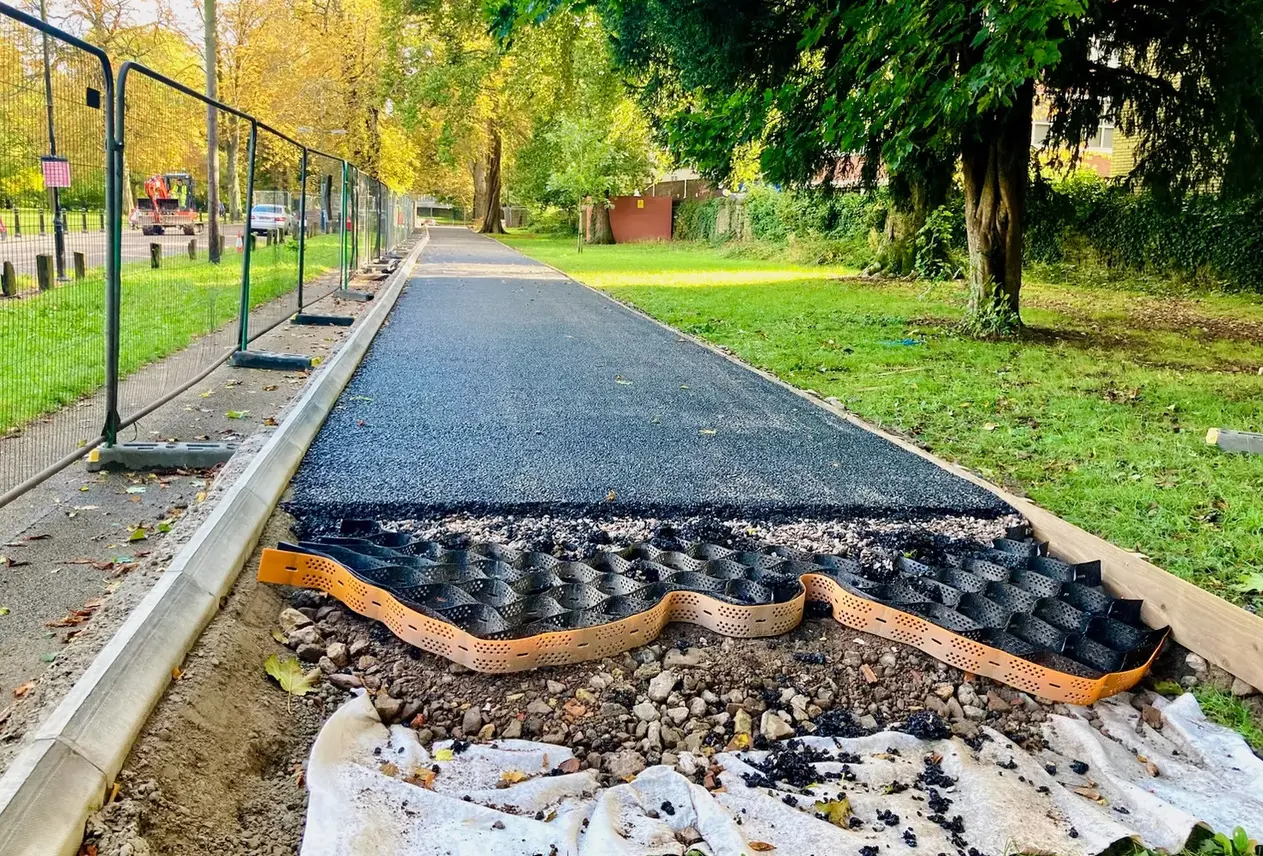
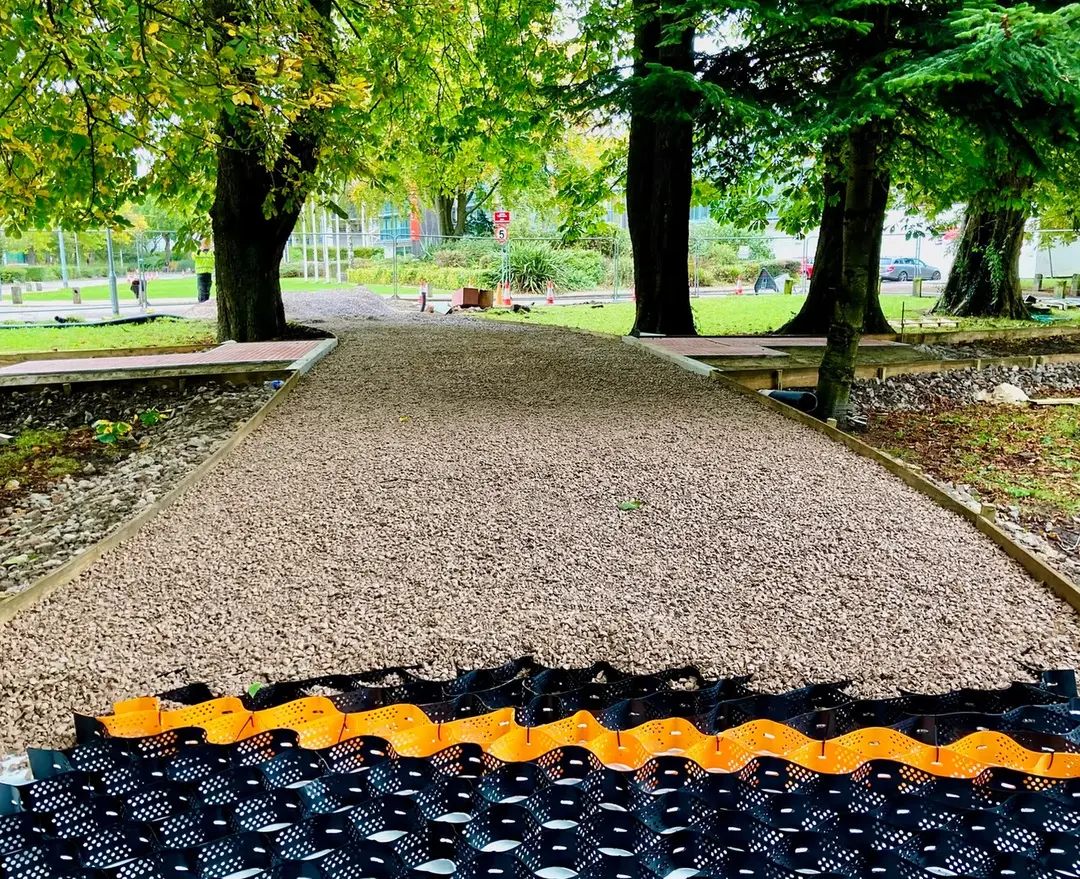
CORE TRP panels were shaped around the route, filled with free-draining aggregate and covered with the specified wearing surfaces to form a stable no-dig alignment.
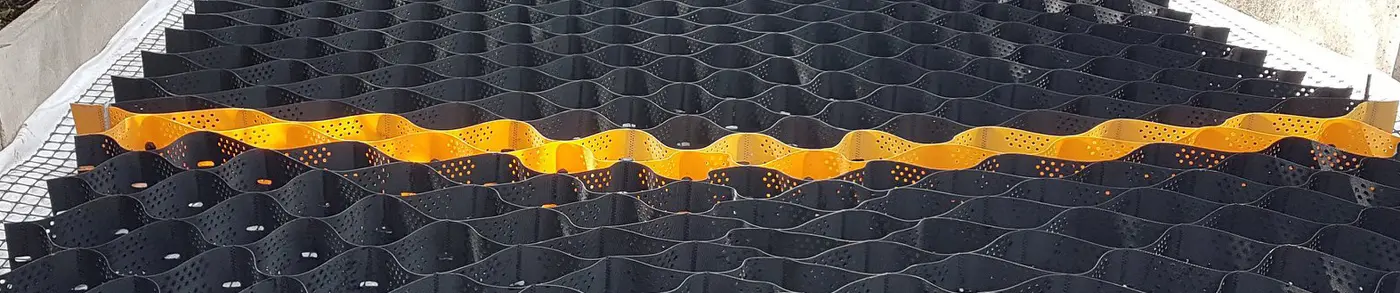
100 mm and 150 mm CORE TRP panels were installed above the existing ground and shaped to follow the route geometry.
TRP 10 and TRP 30 membranes, together with CORE Biaxial Geogrid, formed part of the no-dig construction.
The cells were filled with 4–20 mm clean aggregate before the cyclepath and footpath surfaces were completed.
Products & quantities
Products used.
CORE TRP Panels
100 mm and 150 mmCORE TRP 10 and TRP 30 membranes
CORE Biaxial Geogrid
Installation
How the system was installed.
- 01
Existing tree-sensitive ground retained
- 02
CORE TRP 10, TRP 30 and CORE Biaxial Geogrid
- 03
100 mm and 150 mm CORE TRP panels
- 04
4–20 mm clean aggregate infill
- 05
Cyclepath and footpath surfaces
The result
Cycleway 4.1 now moves continuously through Sophia Gardens on a no-dig cellular formation above the tree-sensitive ground.
Project outcomes
- Continuous route through mature parkland
- No-dig cellular formation above existing soil
- Free-draining aggregate within the CORE TRP panels
- Accessible connection for cyclists and pedestrians
Project team
The people behind the project.
- Client
- Cardiff City Council
- Principal contractor
- Horan Construction
Project gallery
Progress and completed work.
Technical downloads
Project and product documents.
More CORE projects
View all case studiesSee another system in use.
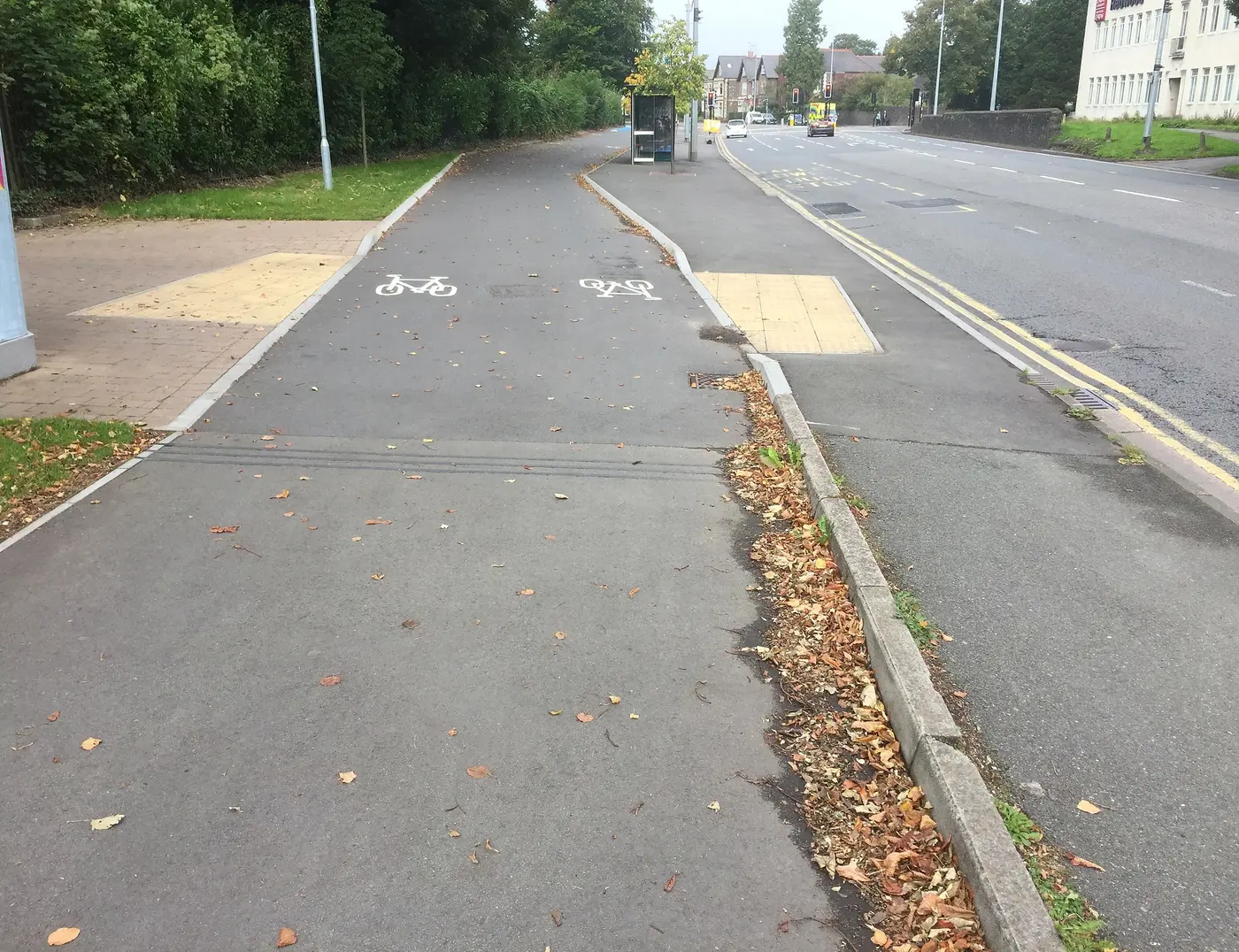
No-dig cycleway beside mature trees in Cardiff
More than 8,500 m² of 100 mm CORE TRP formed a no-dig, load-spreading base beneath porous macadam on a tree-sensitive cycle route.
Read case study →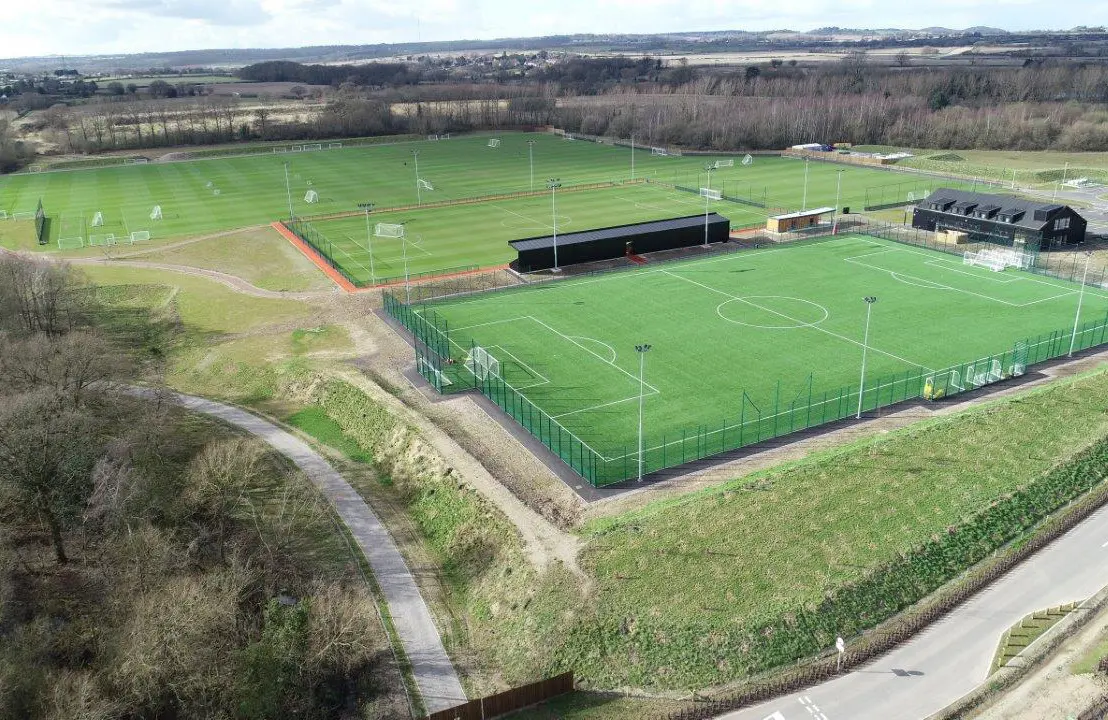
No-dig access within Aston Villa’s Academy redevelopment
1,200 m² of 150 mm CORE TRP formed no-dig access, parking and circulation areas within Aston Villa’s Bodymoor Heath Academy redevelopment.
Read case study →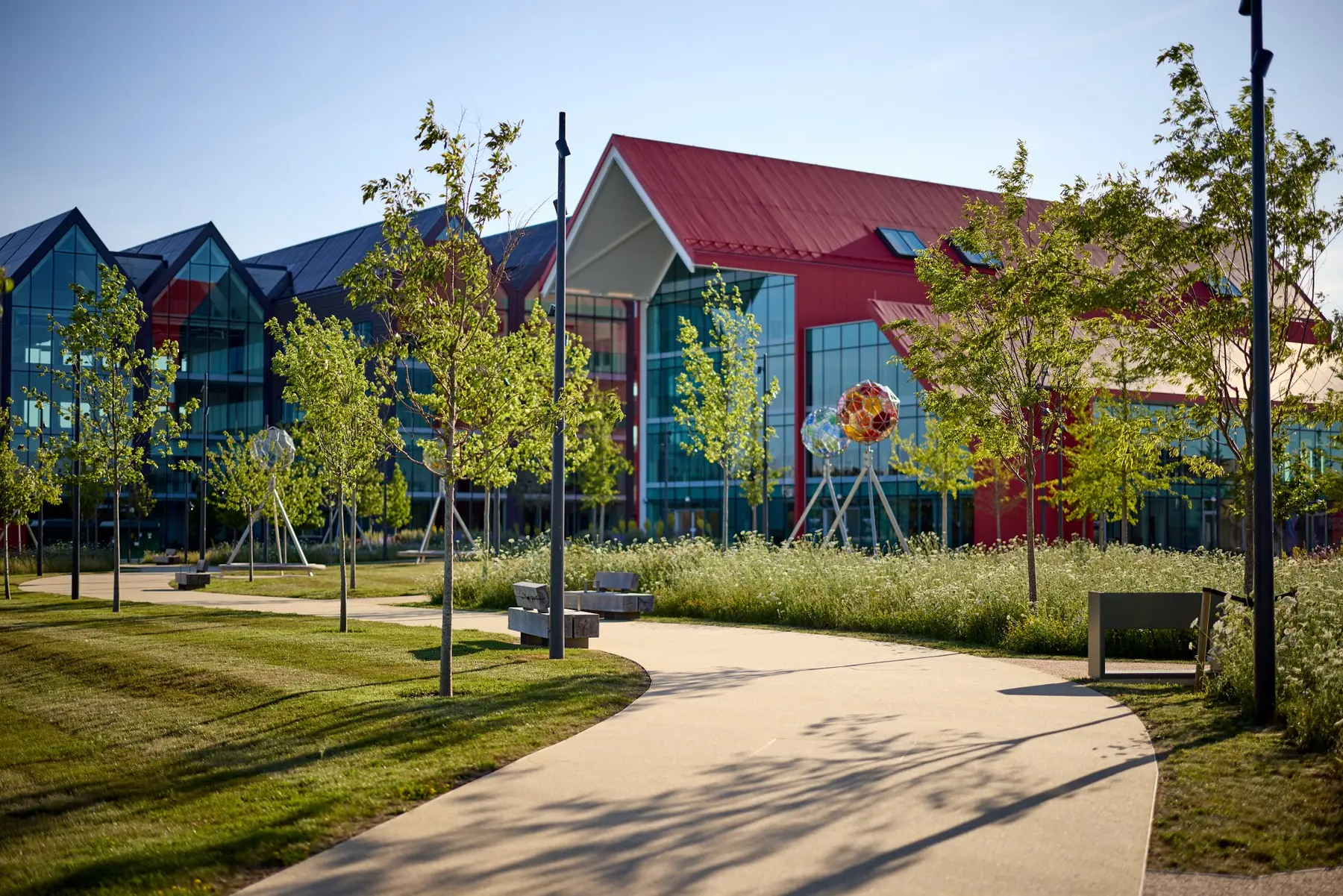
1,793 metres of precise edging across Oxford North
1,793 linear metres of 100 mm CORE PRO EDGE define paths, planting, lawns and meadow across Oxford North’s Phase 1 public realm.
Read case study →Technical project support
Planning something similar?
Send the project location, intended use, drawings and photographs you have. The CORE team will help identify the relevant product route and the information still needed.
CORE Landscape Products: 5.0 / 5 · Excellent on Trustpilot from 533 reviews